Rights explained Article 11
Article 11 ECHR: Freedom of Assembly and Association and Supporters' Groups
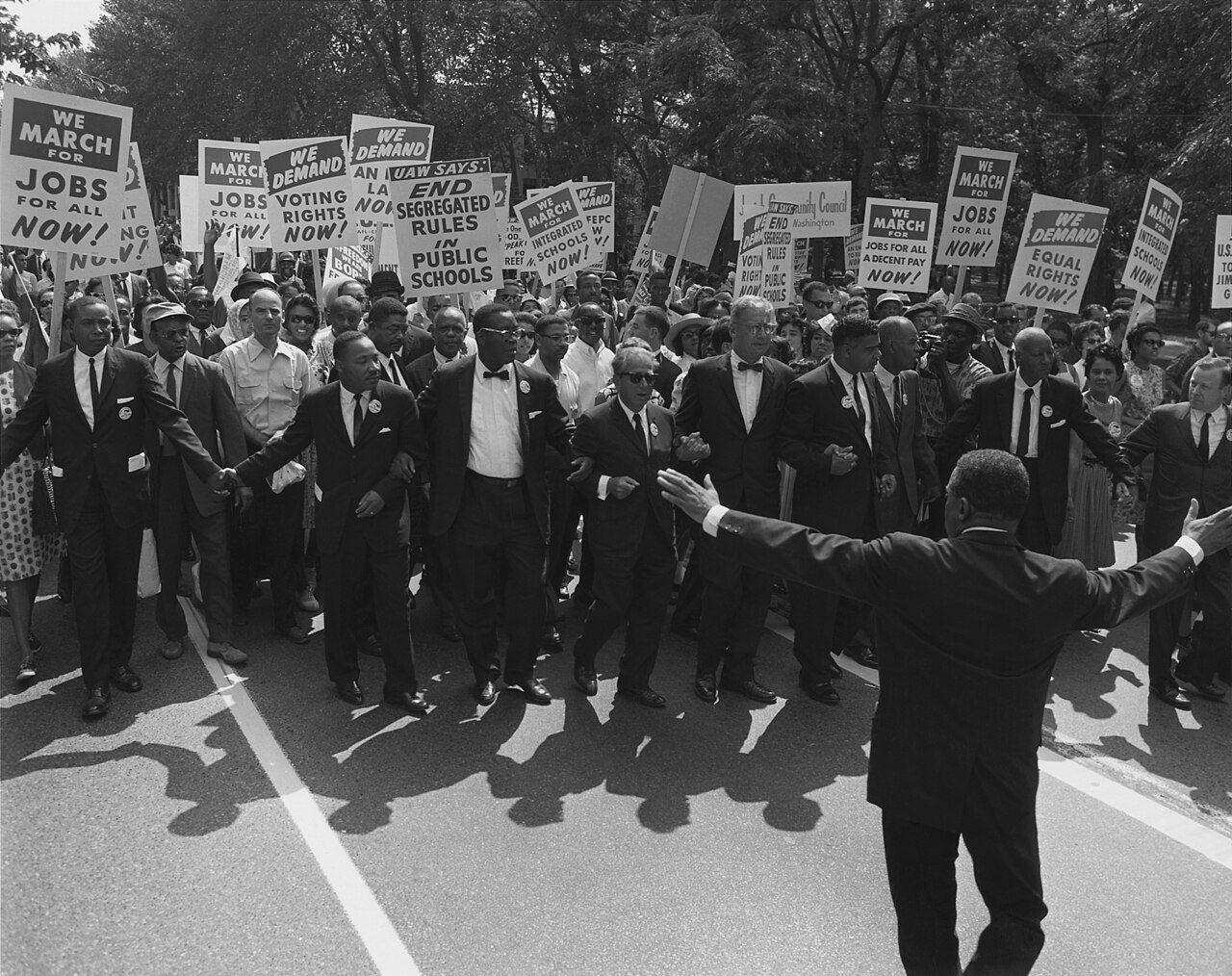
Article 11 of the European Convention on Human Rights protects freedom of peaceful assembly and freedom of association, including the right to form and join trade unions. It covers demonstrations and meetings as well as clubs, unions and other membership groups. In sport, the Court has examined it mainly in cases on the dissolution of football supporters' associations in France.
What does Article 11 protect?
Paragraph 1 reads: "Everyone has the right to freedom of peaceful assembly and to freedom of association with others." The text adds the right to form and join trade unions for the protection of one's interests.
The Court's guide describes peaceful assembly as a fundamental right in a democratic society and one of its foundations, which should not be interpreted restrictively, citing Djavit An v. Turkey (2003). It also links the right closely to freedom of expression.
Which restrictions are allowed?
Paragraph 2 permits only restrictions that are prescribed by law and necessary in a democratic society in the interests of national security or public safety, for the prevention of disorder or crime, for the protection of health or morals, or for the protection of the rights and freedoms of others.
The paragraph adds that the article does not prevent lawful restrictions on the exercise of these rights by members of the armed forces, the police or the administration of the State. Separately, Article 16 provides that Articles 10, 11 and 14 do not prevent States from restricting the political activity of aliens.
How have supporters' associations fared before the Court?
In Association Nouvelle des Boulogne Boys v. France (decision of 7 March 2011), a Paris Saint-Germain supporters' club was dissolved by Prime Ministerial decree after an offensive banner was unfurled at the League Cup final between Lens and Paris Saint-Germain at the Stade de France on 29 March 2008, which was broadcast live on television. The Court declared the complaint manifestly ill-founded. It found the dissolution prescribed by the Sporting Code, aimed at preventing disorder or crime, and proportionate. It considered the offences particularly serious and the banner's wording particularly insulting towards a section of the population.
In "Les Authentiks" and "Supras Auteuil 91" v. France (27 October 2016), two Paris Saint-Germain supporters' associations were dissolved after scuffles on 28 February 2010 that led to the death of a supporter. The Court found no violation of Article 11. It accepted a pressing social need for drastic restrictions and noted that associations promoting a football club were less important for democracy than political parties.
What do the French cases show about the margin of appreciation?
The factsheet records that the Court regarded the scope of the national margin of appreciation as particularly broad where incitement to violence is at issue. The guide adds that the intensity of scrutiny depends on the type of association and its activities: only political parties are subject to the most rigorous scrutiny of the necessity of a restriction, and authorities enjoy a broader margin where there is incitement to violence against an individual, a representative of the State or a section of the population, citing the same 2016 judgment. In the 2016 judgment the Court accepted that dissolution orders could be considered proportionate in that context, and it also found no violation of Article 6 in the same case.