Betting & integrity
How Match-Fixing Is Detected: Betting Monitoring, Integrity Officers and Police Cooperation
Match-fixing is detected mainly by monitoring betting markets for irregular patterns, then passing suspicious cases to sports integrity officers and, where crime is suspected, to law enforcement. UEFA's Betting Fraud Detection System and the INTERPOL Match-Fixing Task Force are two of the most visible parts of that chain, supplemented by a duty on athletes and officials to report approaches.
What does the UEFA Betting Fraud Detection System monitor?
UEFA describes the system as developed in cooperation with the company Sportradar. It highlights irregular betting movements both before a match and during play, across three core markets: Asian handicap, totals and 1X2, drawing on major European and Asian betting operators.
UEFA's own description stops at flagging irregular betting movements; it does not publish thresholds or methods. A flagged movement is therefore best read as a lead for integrity staff, who then investigate and, if warranted, prepare a disciplinary case.
UEFA's disciplinary services monitor all UEFA-organised matches plus matches in each member association's top two divisions and domestic cups. A 2009 UEFA announcement put the volume at some 29,000 games across Europe in all 53 member associations, and said the betting market was watched 24 hours a day, seven days a week, 365 days a year.
What happens after a suspicious pattern is flagged?
UEFA says the system gathers information, investigates suspicious matches and prepares potential disciplinary cases. Reports go to the national integrity officers of the associations, who start investigations and may cooperate with national law enforcement.
Clubs, associations or individuals found to have manipulated a match for betting or other purposes face measures enforced through UEFA's disciplinary bodies. UEFA's pages do not publish alert counts or case volumes, and they do not describe the detection algorithms.
UEFA also states that it works closely with FIFA and with the integrity officers at every national association on possible offences. As an example of the chain in use, UEFA said that in a 2017 German match-fixing investigation it assisted by providing detailed information from its Betting Fraud Detection System.
What role does INTERPOL play?
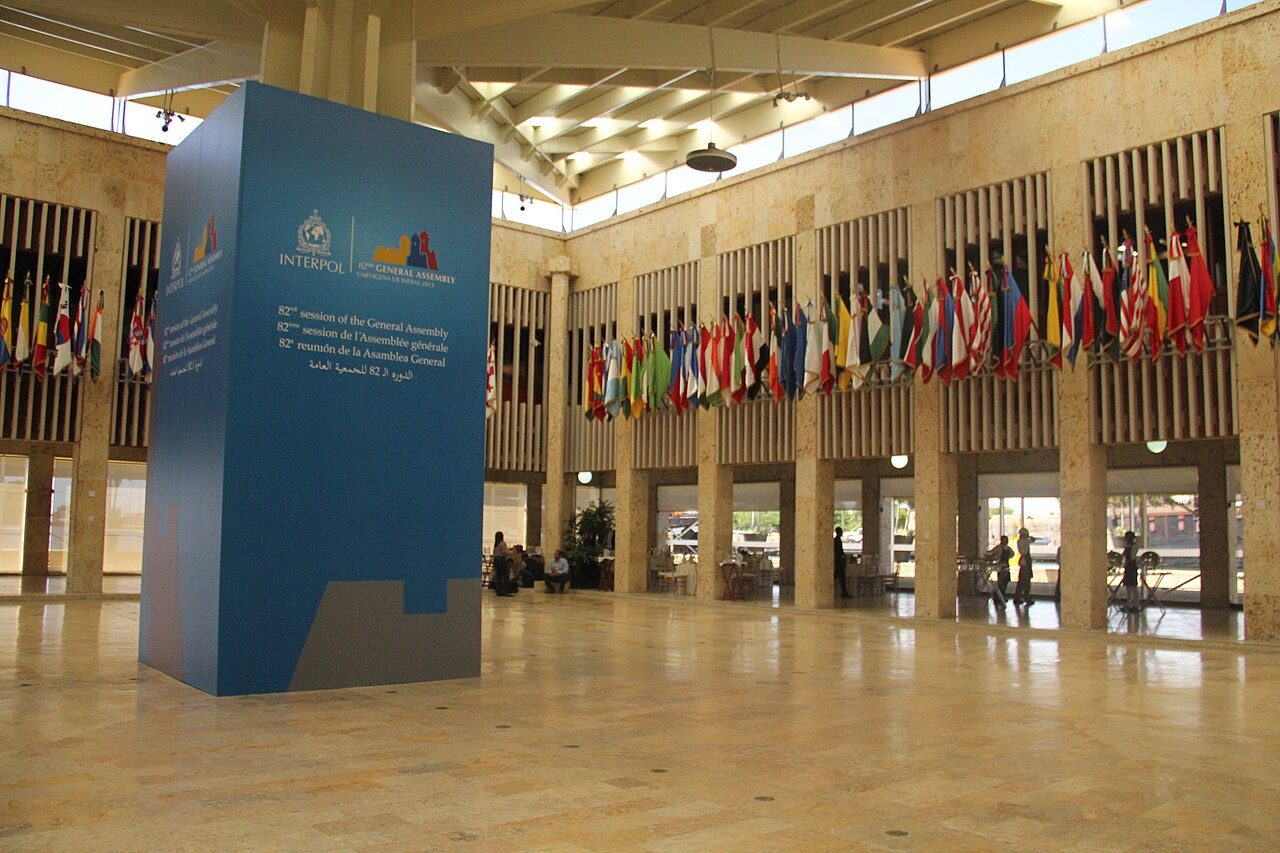
The INTERPOL Match-Fixing Task Force was created in 2011 to support member countries with investigations and operations across all sports. INTERPOL says it now has about 100 member units and more than 150 National Points of Contact worldwide, and that it coordinates cases internationally. Its tools include ETICA, which collects data on sport corruption, and FINCAF, which supports financial crime analysis.
At the Task Force's 2022 meeting, participants agreed that betting intelligence remains important but that other sources should also be used. Positive doping tests and alerts, for example, can give leads into criminal groups behind manipulation. INTERPOL also runs Operation SOGA, timed to major football events, which targets illegal gambling and match-fixing.
- SOGA IX (November 2022 to January 2023): 19 countries, 1,200 arrests, about USD 2 million seized.
- All nine SOGA operations together: about 20,300 arrests and roughly 4,000 illegal gambling dens closed.
Which methods and trends do investigators report?
The Task Force's twelfth meeting, held in Abu Dhabi from 10 to 12 May 2022, brought together about 50 countries and participants from law enforcement, public authorities, sports federations, anti-doping organisations and betting monitoring services. INTERPOL reported that criminals increasingly operate across betting and sports markets and use technology, big data and social media, and that recent Purple Notices describe methods linked to social media, identity theft and ghost or fake matches.
Investigators in the SOGA IX operation noted a preference for online betting and smaller wagers made to avoid detection. That is one reason INTERPOL and the IOC run joint training for law enforcement and sport investigators, covering evidence handling, betting analysis and working with sports bodies.
Do athletes have to report approaches?
Under the Olympic Movement Code on the Prevention of the Manipulation of Competitions, failing to report at the first available opportunity any approach or invitation to commit a violation is itself a violation (Article 2.4). The duty also covers incidents that come to a participant's attention, including approaches made to another participant.
The Code therefore sets two separate duties: to report approaches a participant has personally received, and to report any incident, fact or matter that comes to their attention or of which they ought reasonably to have been aware. Reports go to the sports organisation concerned or to a relevant disclosure or reporting mechanism or authority.
This makes participants a detection channel in their own right. INTERPOL notes that traditional methods persist, such as targeting athletes' entourages and grooming young players, which is why it links detection work to education.