Governance
The Centre for Sport and Human Rights: What It Is and the Sporting Chance Principles
The Centre for Sport and Human Rights is a Geneva-based organisation, launched in June 2018, that describes itself as a human rights institution for the world of sport and promotes ten Sporting Chance Principles among sports bodies, companies and other actors. It works to bring sport together to address shared human rights challenges and to build capacity for responsible policies and governance.
How did the Centre come about?
The Centre grew out of a three-year collective process through the Mega Sporting Events Platform for Human Rights, which was convened by the Institute for Human Rights and Business and first met in November 2015. Over the following two and a half years the platform produced research and tools and brought stakeholders together in local and global forums.
In November 2017 the platform's Steering Committee issued a joint statement committing to establish the Centre. It was issued at the second Sporting Chance Forum in Geneva, and the Centre launched in June 2018.
How is the Centre governed and structured?
An independent board of directors governs the Centre. The Office of the UN High Commissioner for Human Rights and the International Labour Organization are formally part of its governance, alongside global bodies representing workers, employers and athletes. Its founding Patron is Mary Robinson.
The organisation has four parts: a non-profit Swiss association based in Geneva, a UK registered charity with a representative office in Geneva, a UK trading subsidiary wholly owned by the charity that provides limited consultancy on commercial terms, and the Responsible Sport Council. The Council is a coalition of sport institutions committed to the Sporting Chance Principles. Funding comes from the Council, governments, foundations, sports bodies and companies.
Who sits on the Responsible Sport Council?
The Council describes itself as the Centre's primary multi-stakeholder platform, and it replaced the earlier Advisory Council and the Engaged Organisations network. Its aim is to help members learn, share and develop good practice through regular meetings, thematic sessions and peer exchange.
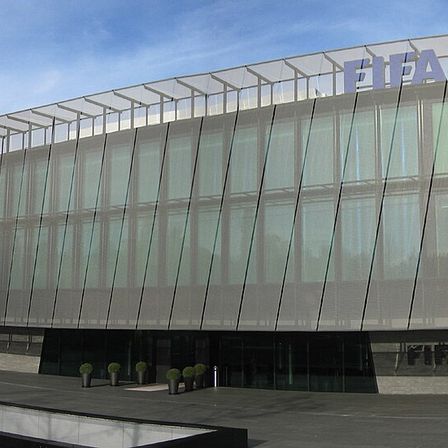
Its membership spans intergovernmental organisations such as the ILO, OHCHR, UNESCO and UNICEF, a number of national governments, sports bodies including FIFA, UEFA and the International Paralympic Committee, athlete representatives, sponsors, broadcasters, civil society groups, trade unions and employers' associations. Participants endorse the Sporting Chance Principles.
Civil society members named on the page include Amnesty International, Human Rights Watch, Transparency International and the Committee to Protect Journalists, and the trade union members include the International Trade Union Confederation and Building and Wood Workers' International. The governments listed include Canada, Germany, Switzerland, the Netherlands, the United Kingdom and the United States. The Council says it connects actors across the sports ecosystem so that they can anticipate risks, co-create solutions and strengthen governance.
What does the Centre do?
The Centre states its vision as a world of sport where everyone is safe, included and respected. Its site lists five strategic priorities: raising awareness of human rights risks, building collaboration among stakeholders including those most at risk, driving implementation of harm prevention and access to remedy, shaping the agenda on systemic and emerging risks, and sustaining an independent and credible institution. Its focus areas include child rights, remedy, gender, non-discrimination and safeguarding.
Its work is presented under advisory and convening activities, featured initiatives, tools and guidance, and research.
Its listed activities include advisory services, the Responsible Sport Council and the Sporting Chance Forum, as well as tools such as the Meaningful Engagement Tool and the Playbook Series. Research outputs listed on the site include a case collection, a policy database on human rights commitments in sport and a glossary.
What are the Sporting Chance Principles?
The ten principles were developed by the Responsible Sport Council, formerly called the Advisory Council, of the Centre. They affirm a shared commitment to realising human rights in and through sport, and every Council participant endorses them and works to implement them with other partners. The page does not give a date for their adoption.
Paraphrased from the Centre's page, they are:
- Sport has inherent power to create positive change
- Internationally recognised human rights apply
- All actors involved in sport commit to those rights
- Human rights are taken into account at all times
- Affected groups have a voice in decision-making
- Access to remedy is available
- Lessons are captured and shared
- The human rights capacity of stakeholders is strengthened
- Collective action is used to realise human rights
- Bidding to host mega-sporting events is open to all